Display Plinths
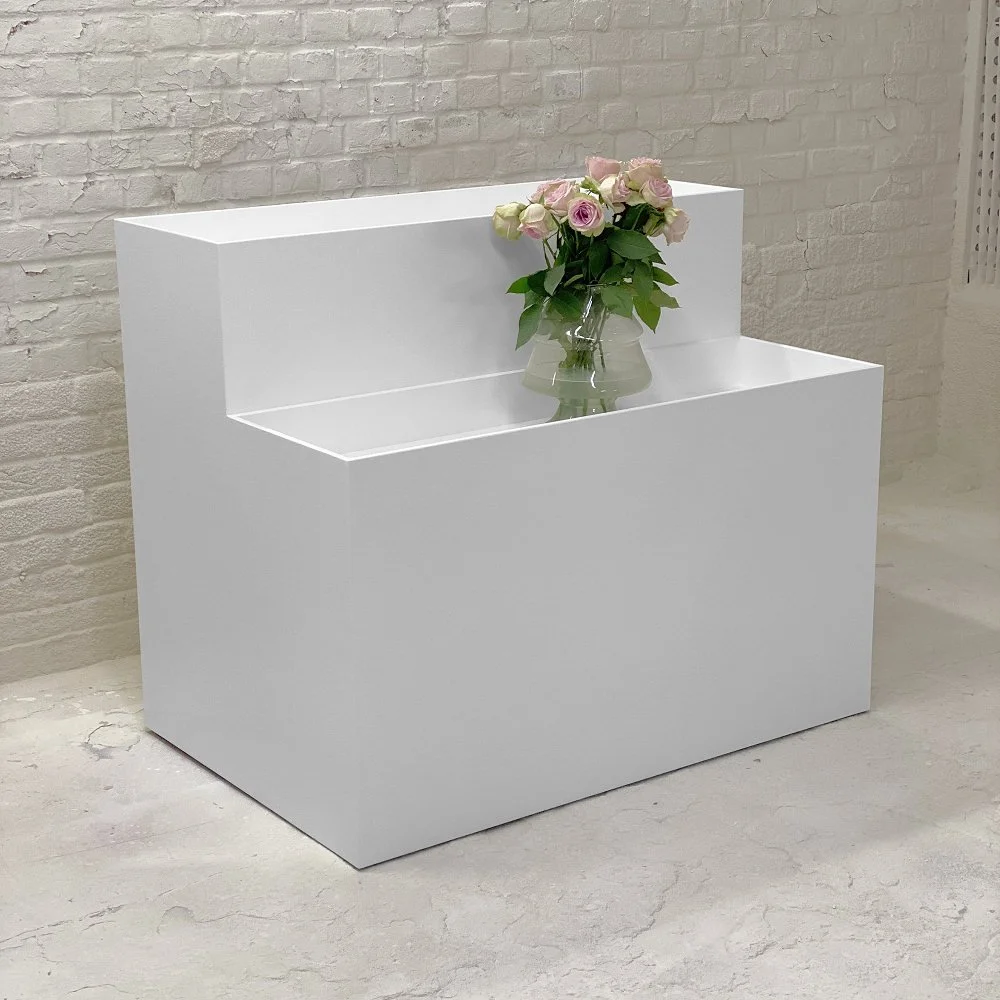
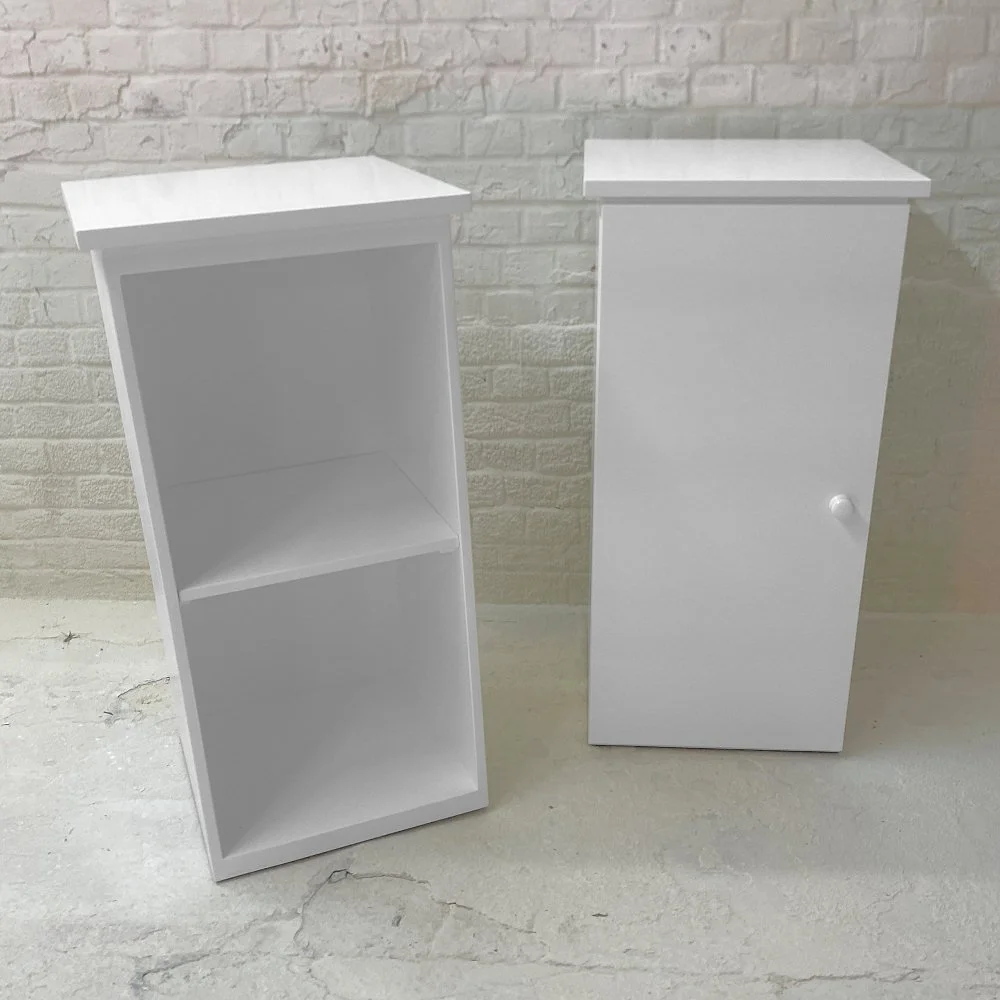
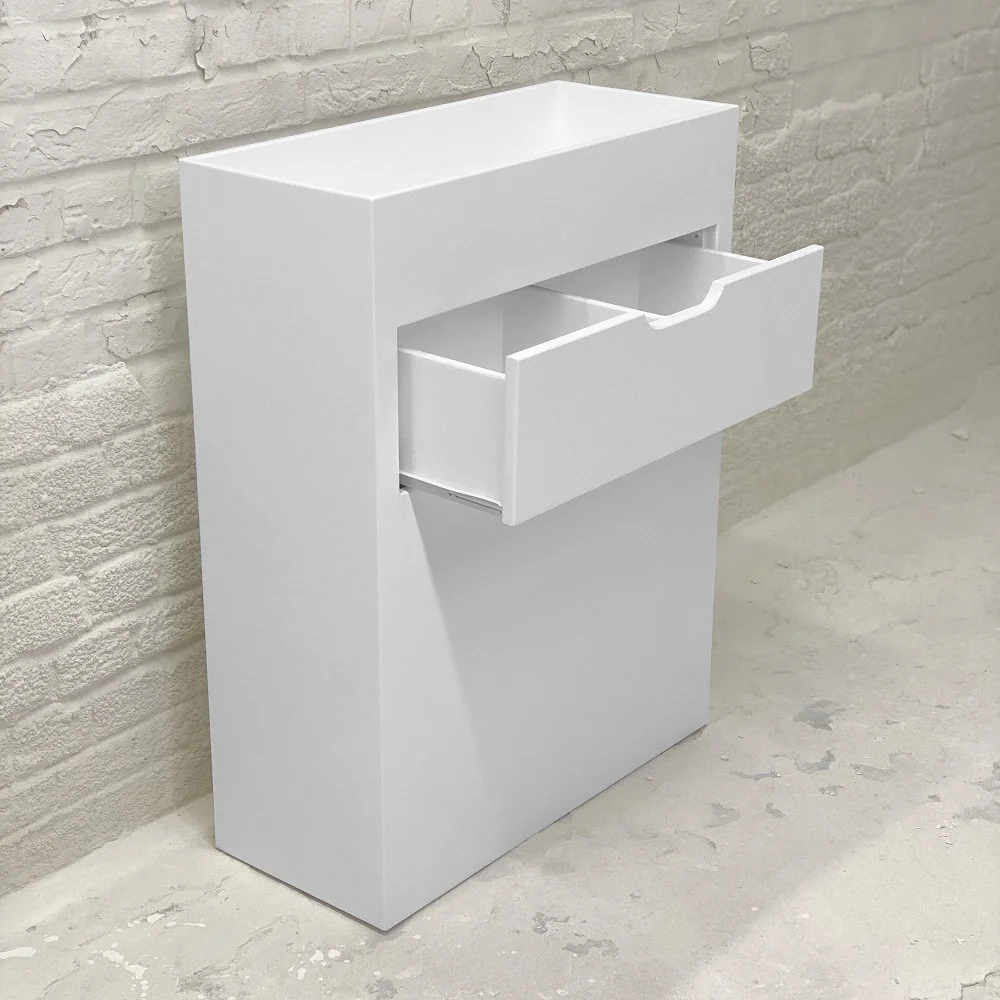
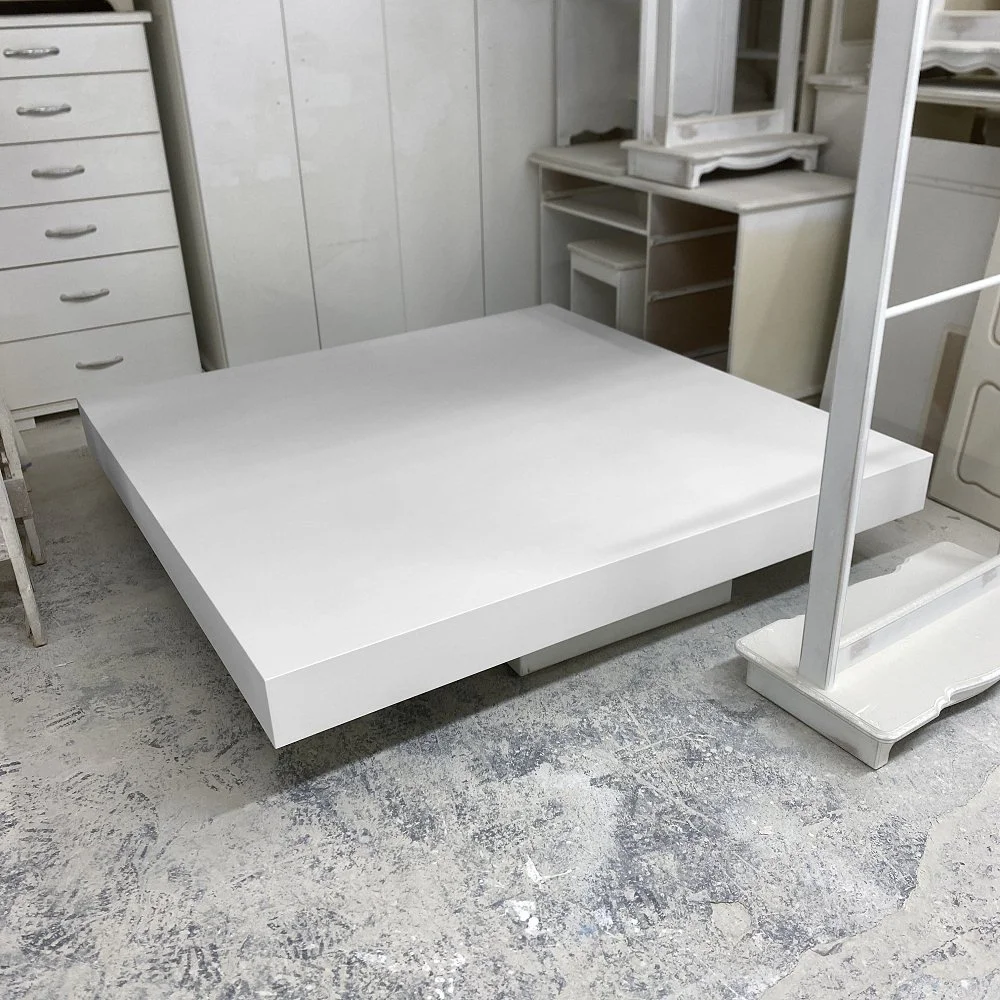
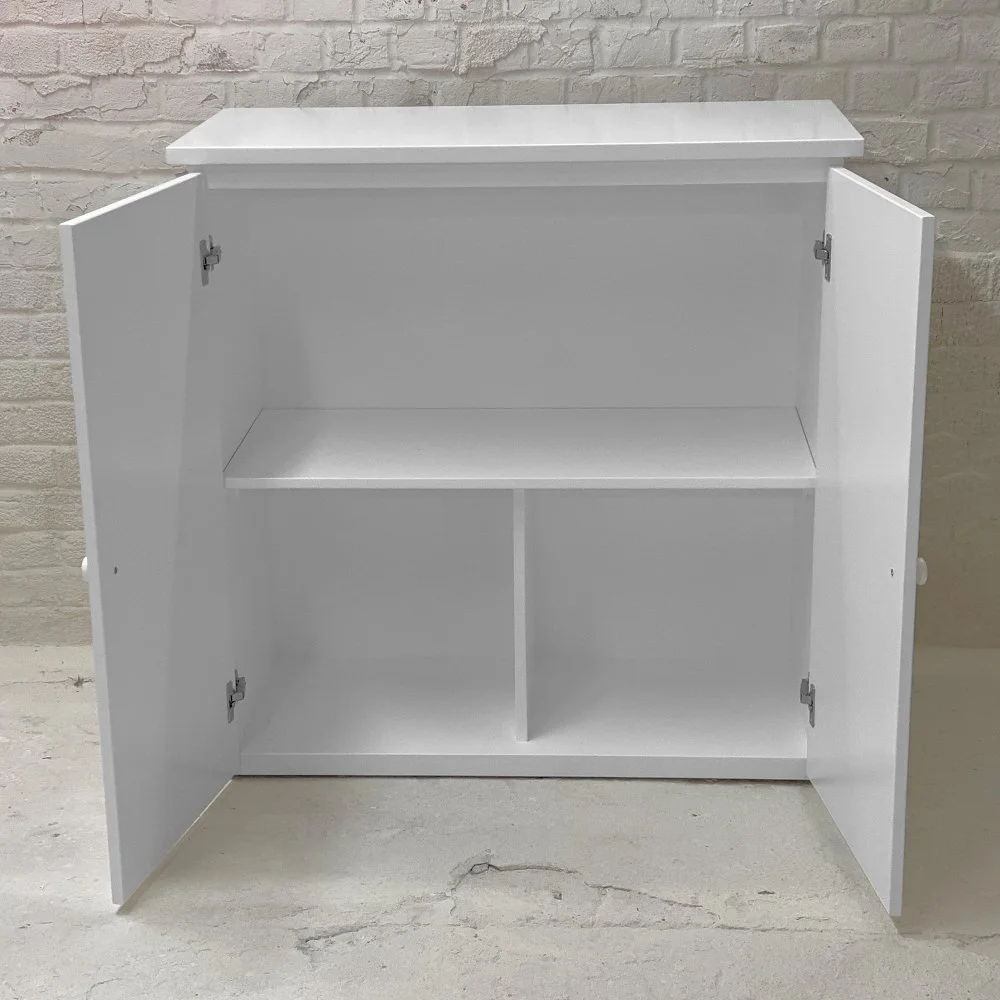
Custom display plinths for retail, exhibitions, galleries and events
-
We colour match using industry standard RAL and PANTONE codes.
-
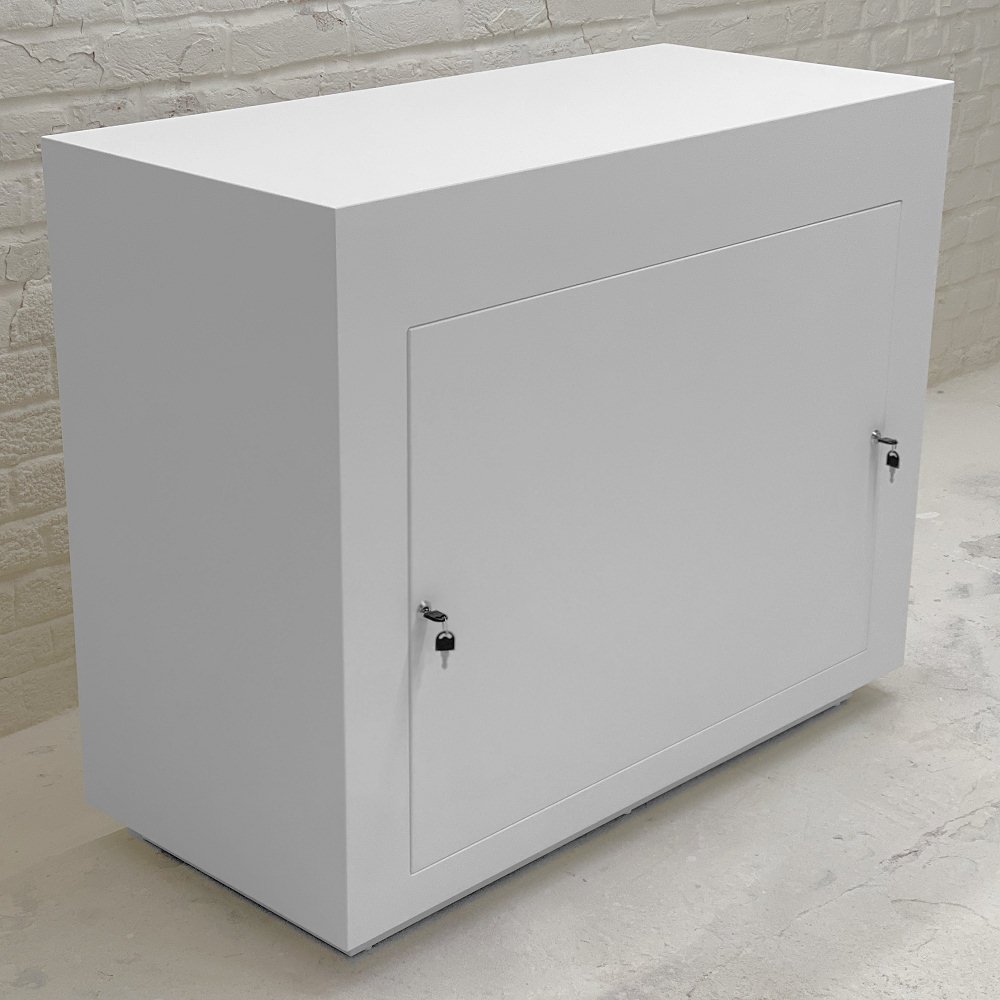
Everything from plain display plinths to heavy duty podiums and platforms.
-
Paint finish options include ‘wipe-clean’ MATT and SATIN, rolled or sprayed.
-
Order one plinth or hundreds of plinths (subject to reasonable notice).
-
We are a trusted UK-based furniture manufacturer with 30 years experience.
-
Display plinths, also known as display pedestals or plinth stands, are specialised freestanding structures designed to elevate and highlight objects. By raising an item to eye level, these fixtures create a distinct focal point that draws attention, commands respect, and enhances the overall visual experience of the viewer. They serve as essential tools for presentation across various professional environments.
In retail settings, retail display plinths are used to showcase premium products, launch new merchandise, or anchor window displays. Luxury boutiques and department stores rely on these podium displays to create a sense of exclusivity around high-value items like jewellery, footwear, and electronics. By isolating a single item on a dedicated product display plinth, retailers can significantly increase its perceived value.
Galleries and museums utilise exhibition plinths to present sculptures, artefacts, and contemporary art installations. In these minimalist spaces, the plinth must act as a neutral yet supportive platform that complements the artwork without distracting from it. Similarly, during trade shows and corporate events, companies use plinths to present prototypes, awards, or marketing materials cleanly and professionally.
Material selection is critical to both the aesthetics and durability of these fixtures. Our high-quality display plinths are constructed from premium moisture-resistant medium-density fibreboard (MR MDF). We use this material because its dense, uniform structure allows for sharp, seamless edges and a perfectly smooth finish when painted. Unlike standard MDF, the moisture-resistant variant ensures stability and longevity, preventing warping or swelling in humid event spaces or high-traffic retail environments.
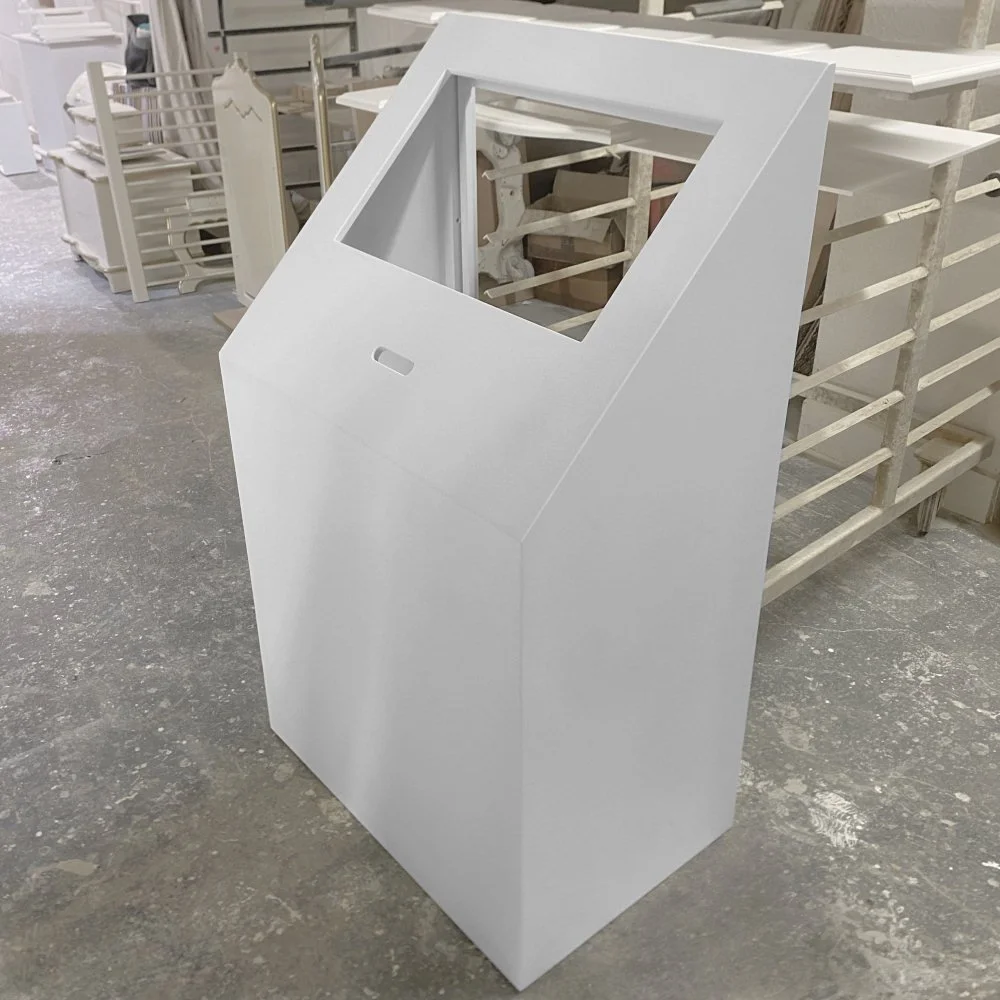
Custom sizing is a vital aspect of our plinth manufacturing. Because display requirements vary wildly between a delicate piece of jewellery and a heavy bronze sculpture, we regularly build plinths to specific dimensions. Customisation allows clients to select the exact height, footprint, shape, weight-bearing capacity, and colour required to match their brand identity or exhibition theme.
For businesses operating in Great Britain, utilising UK manufacturer ‘Just Plinths’ for display plinths offers distinct advantages. Sourcing production locally ensures rigorous quality control, adherence to strict material standards, and significantly faster turnaround times for tight event deadlines. Furthermore, UK-based production minimises shipping distances, reducing both transportation costs and the carbon footprint associated with heavy freight. Whether destined for a London art gallery, a nationwide retail rollout, or an international trade exhibition, British manufacturer ‘Just Plinths’ provide the structural integrity and flawless finish necessary to elevate any presentation.


Our Workshops
-
![Custom-made Display Plinths - Just Plinths]()
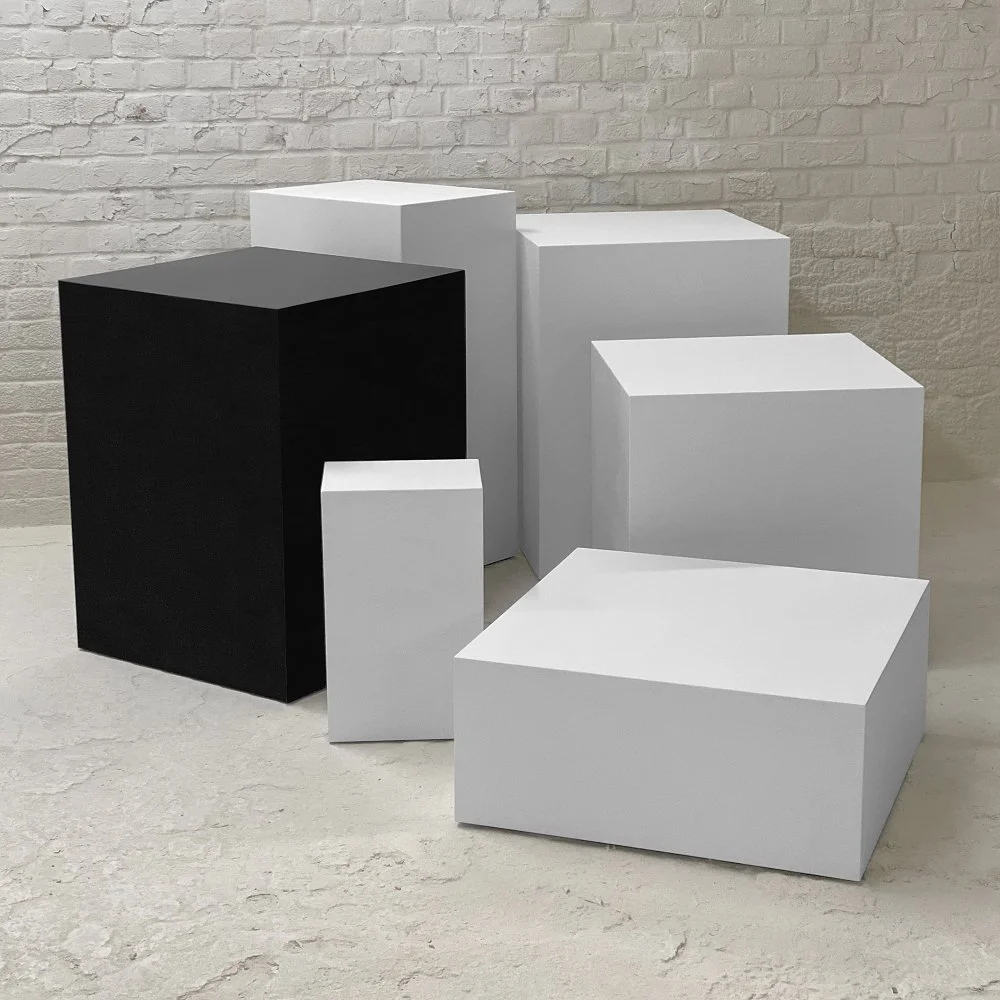
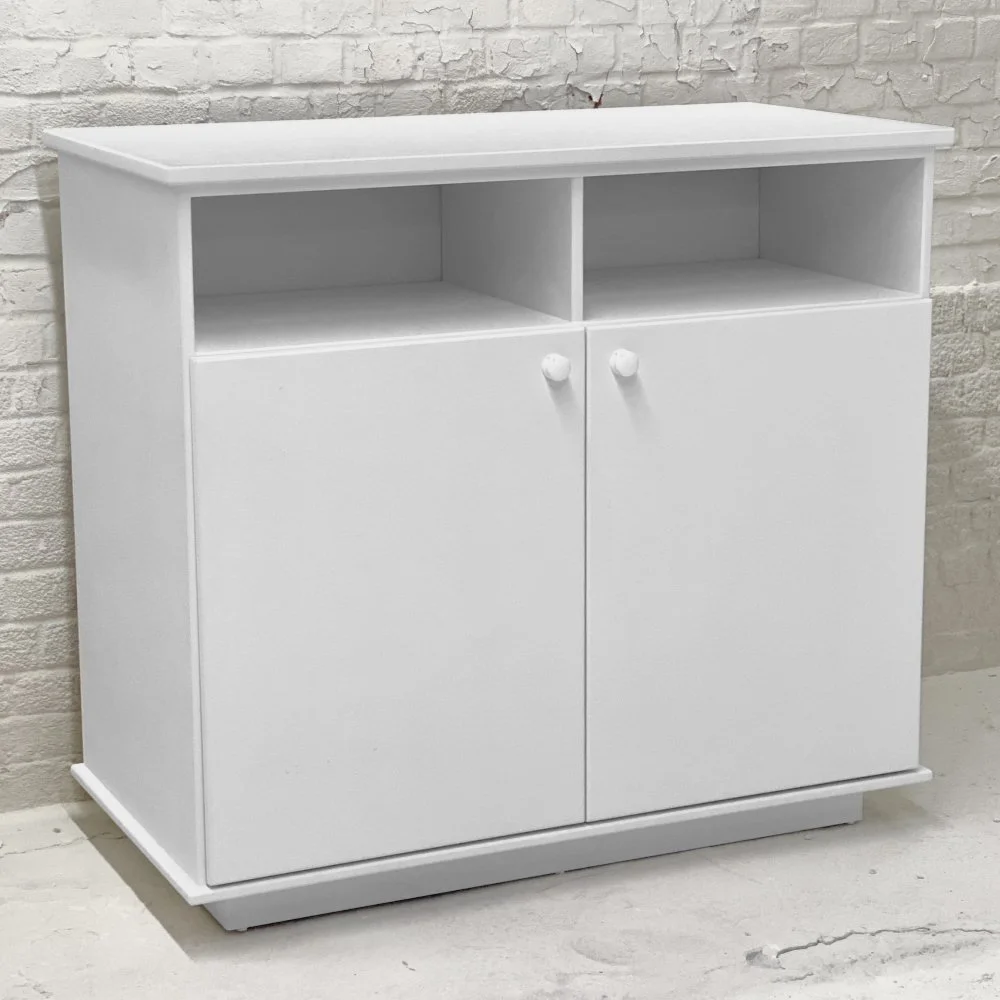
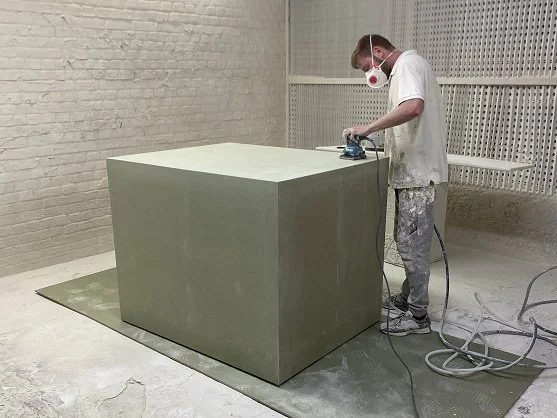
Plinths are cut, made and assembled
We use moisture resistant MDF to give a flawless paint finish. MR also helps prevent moisture damage when plinths are stored.
-
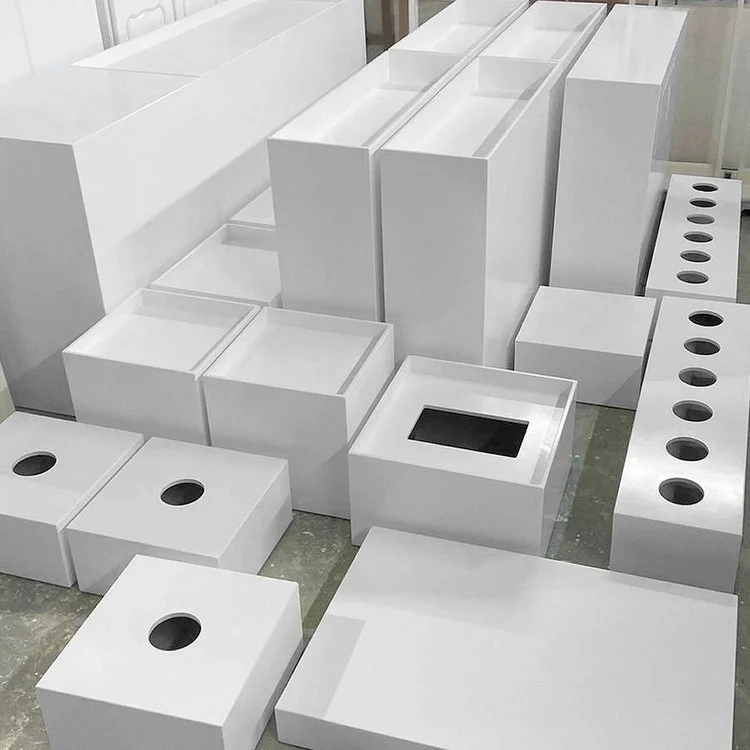
![Bespoke Display Plinths Made-to-order - Just Plinths]()
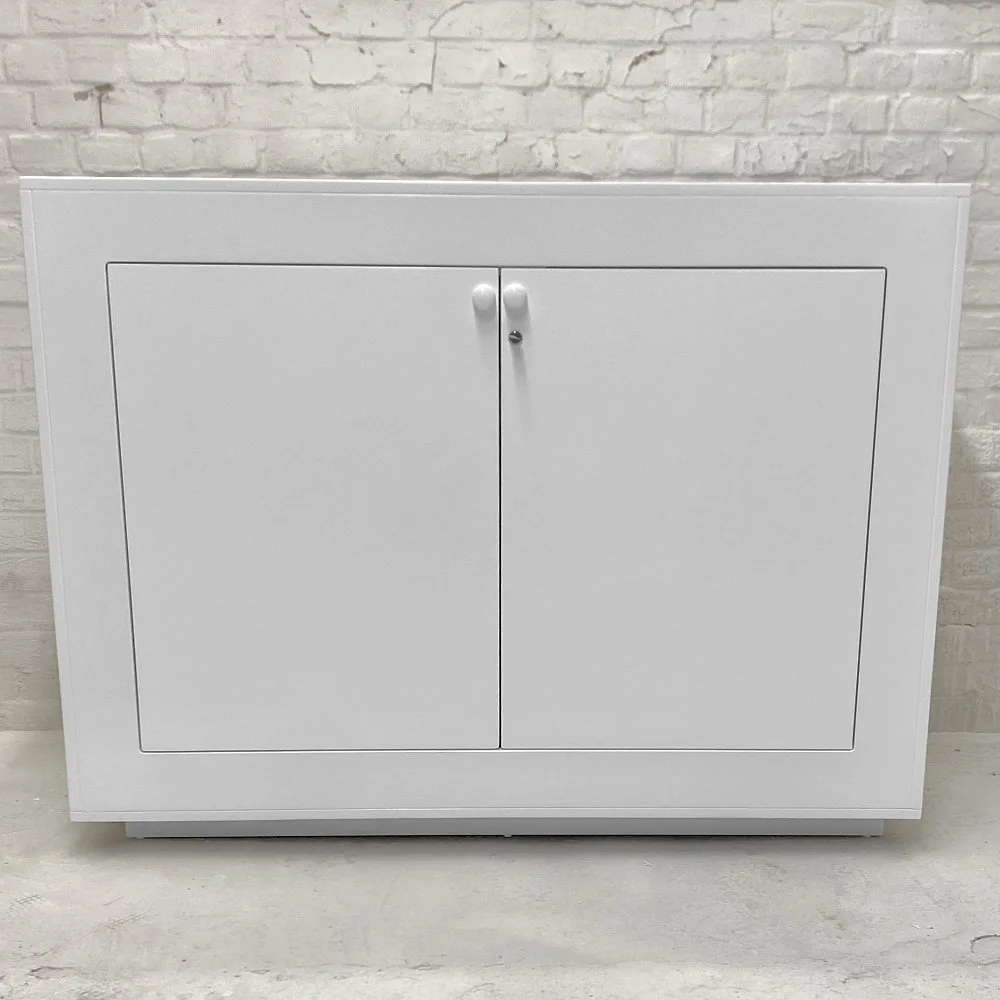
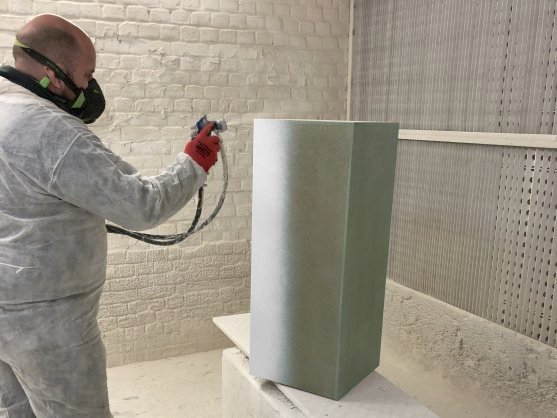
Plinths get primed, rubbed down and filled
Our priming process seals and prepares surfaces ready for undercoating. Holes from assembly get filled and sanded.
-
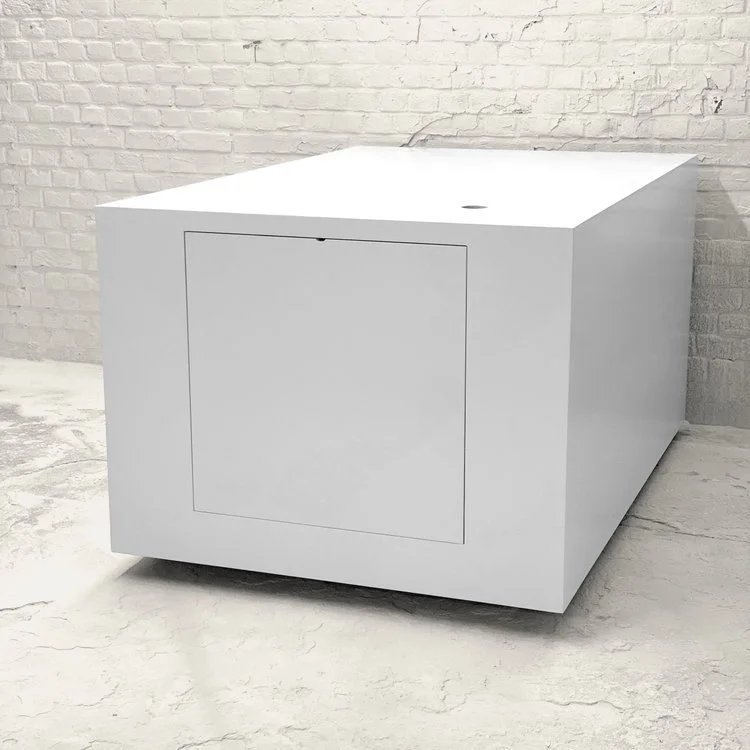
![Plain White Display Plinths - Just Plinths]()
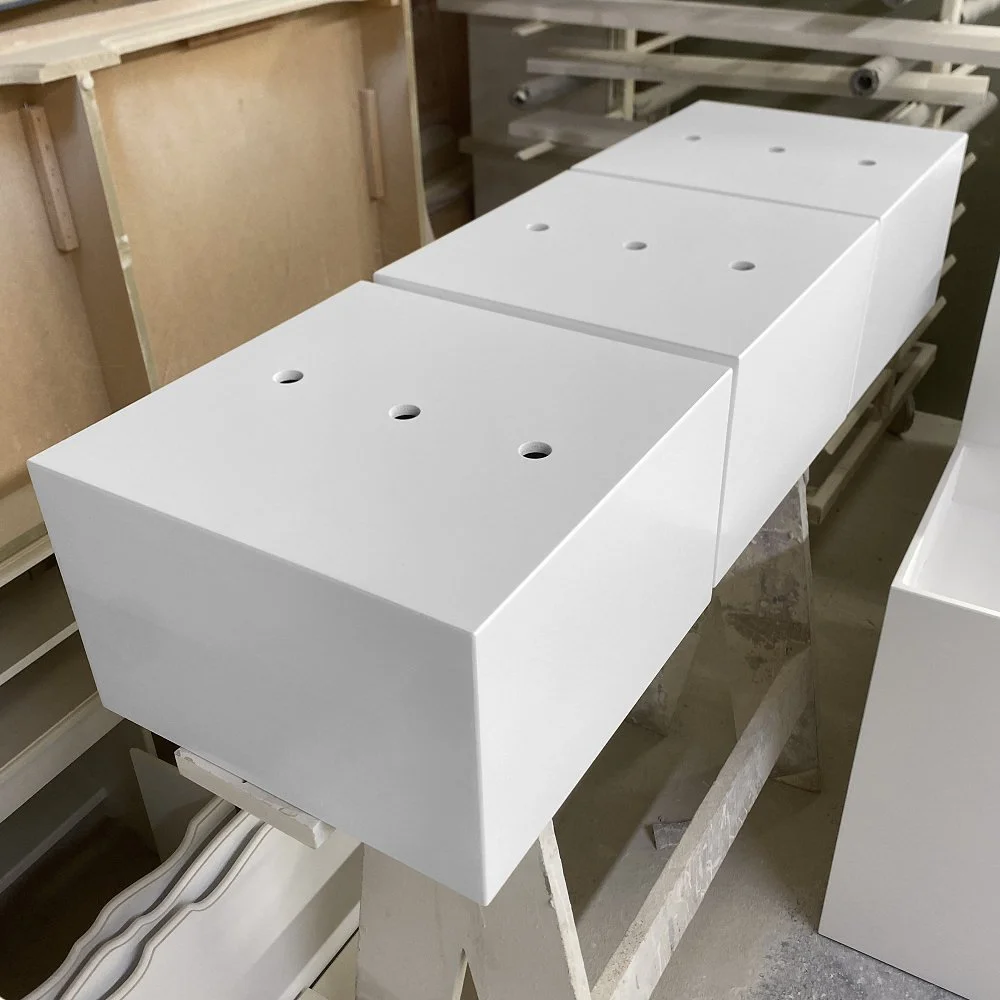
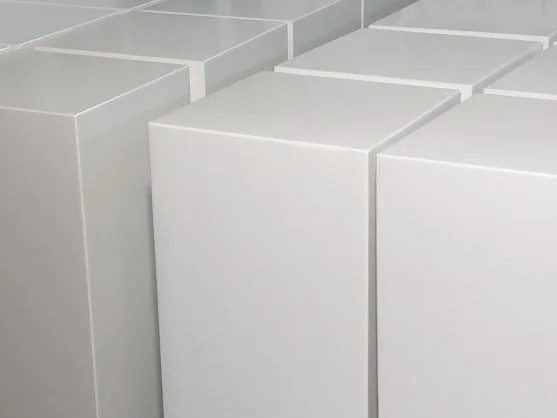
Plinths are denibbed and second coated
Denibbing is the removal of ‘nibs’ and imperfections. We do this to prepare a smooth surface for the second coat.
-
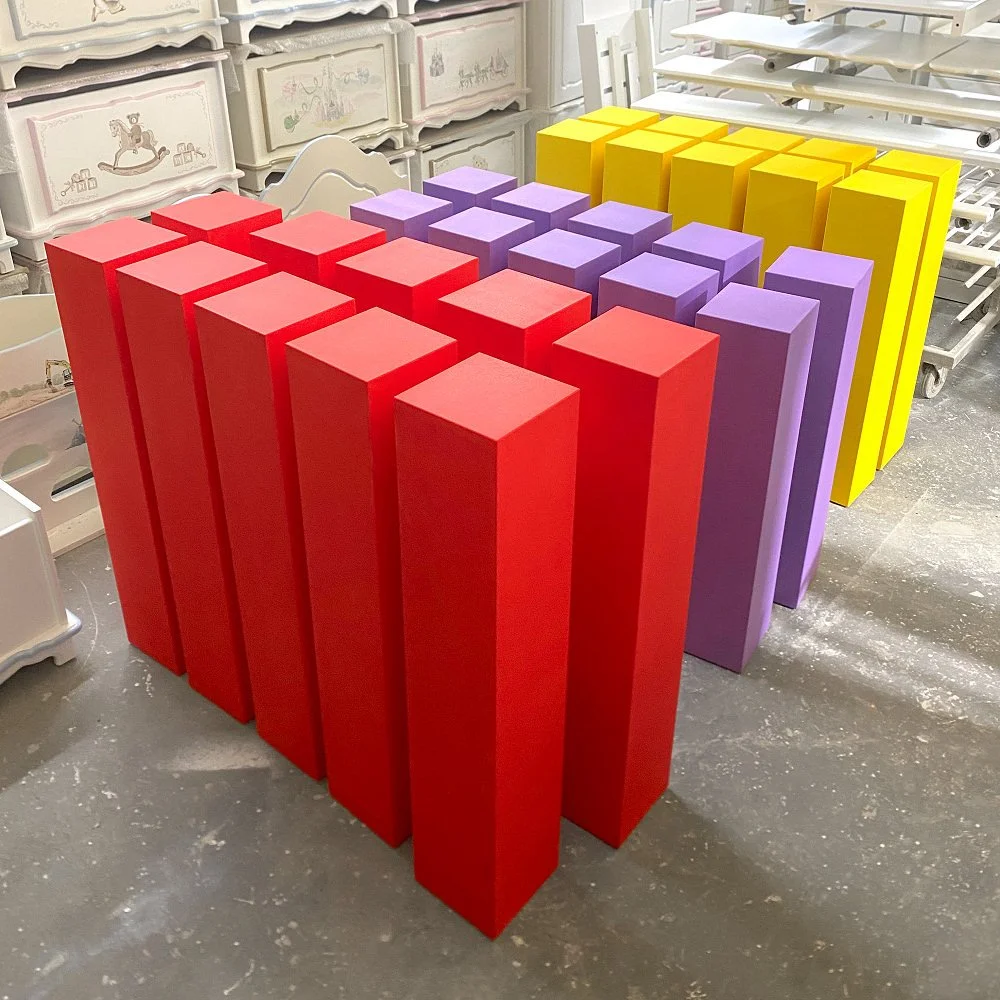
![Coloured Display Plinths - Just Plinths]()
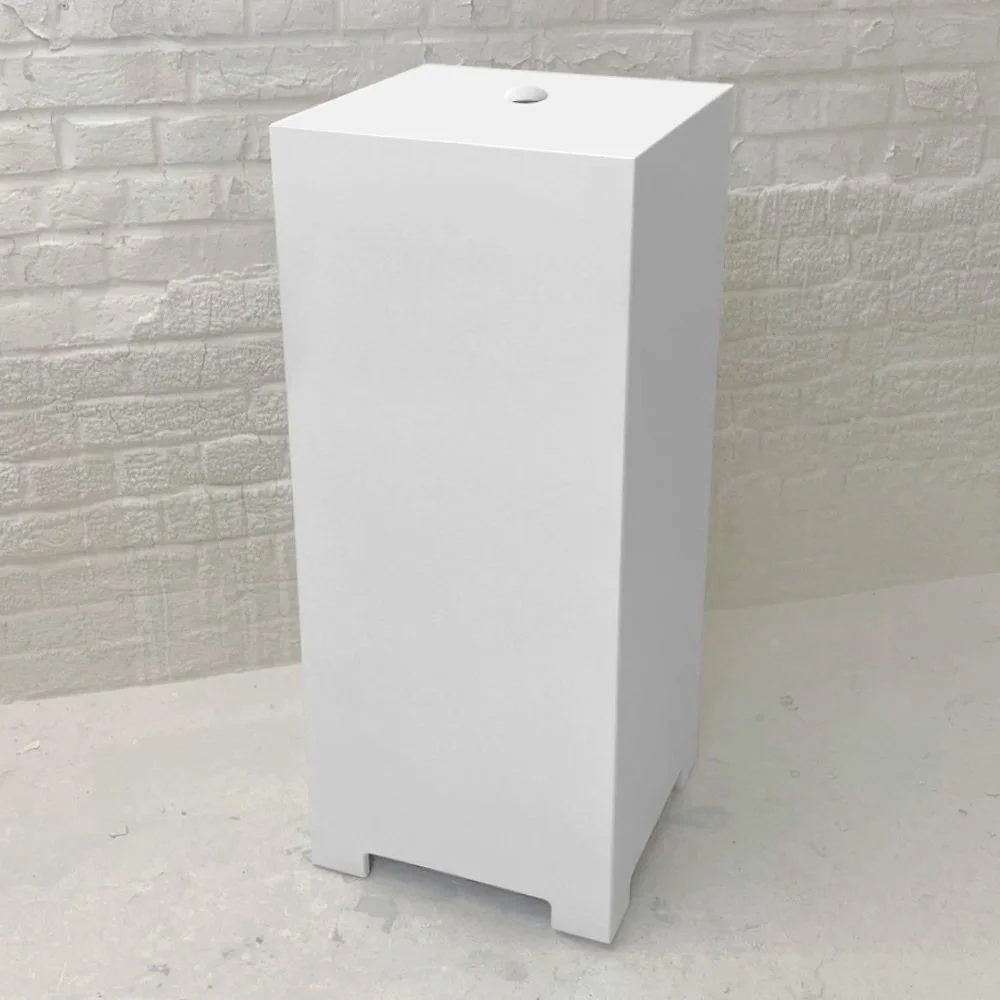
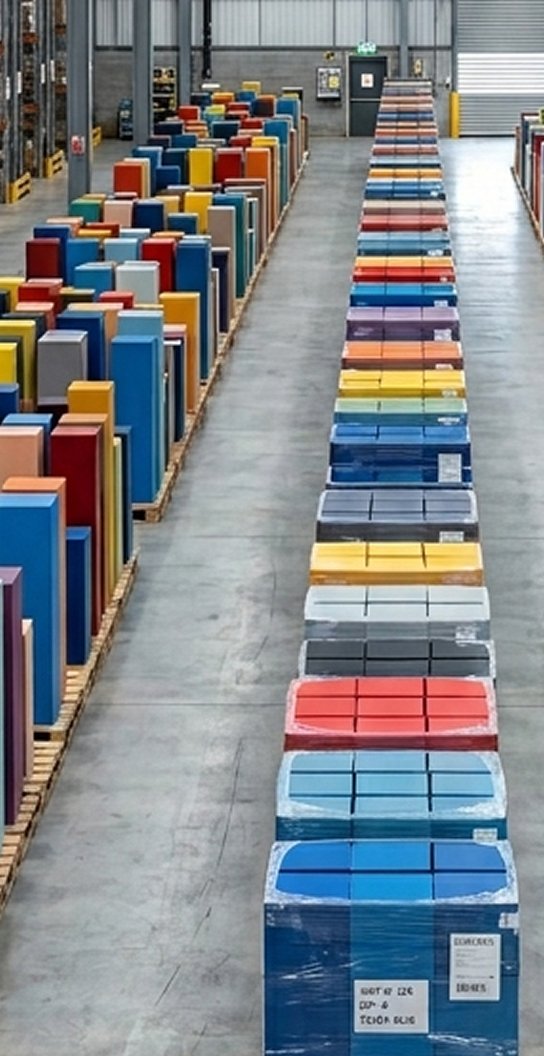
Final top coat gets added in the colour(s) ordered
Plinths are finished, left to harden, then quality checked and approved before delivery or collection.

Exhibition Plinths
Display plinths for exhibitions, trade shows and events
Display plinths play a pivotal role in exhibitions and trade shows, serving as versatile platforms that enhance the presentation of products and promotional materials. These elevated structures provide an opportunity to create impactful visual displays that captivate the attention of attendees and effectively convey a brand's message. By offering a raised platform for showcasing items, display plinths ensure that objects are positioned at eye level, making them more accessible and engaging to visitors. This strategic positioning enables exhibitors to highlight key features and details, ultimately fostering a deeper connection between the audience and the showcased content.
Exhibitions and trade shows often feature a wide range of products and materials that require thoughtful arrangement and curation. Display plinths act as essential tools in this process, allowing exhibitors to curate their offerings in an organised and aesthetically pleasing manner. Exhibition plinths offer not only a practical way to elevate items but also a chance to incorporate custom branding elements, such as logos or signage, into the display. By incorporating design elements that align with the overall theme or message of the event, plinths contribute to a cohesive and memorable visual experience for attendees.
Moreover, display plinths serve as focal points within larger exhibition spaces, guiding visitors' attention towards specific products or concepts. Whether showcasing artworks, electronics, or retail merchandise, plinths help differentiate and highlight individual items from their surroundings. The elevated position of the plinths ensures that the showcased content remains distinct, even in crowded and bustling exhibition environments. In essence, these structures provide a means to create dynamic and immersive displays that resonate with the audience, leaving a lasting impression and fostering valuable interactions between exhibitors and attendees.
Display Plinth History

From Ancient Pedestals to Modern Display Plinths: A Journey Through History
Display plinths and pedestals have played a vital role in showcasing objects of significance throughout human history. These elevated platforms have evolved over time, reflecting changes in art, culture, and design. From ancient civilizations to modern museums, the history of display plinths is a fascinating narrative of human creativity and innovation.
1. Ancient Beginnings:
The origins of display plinths can be traced back to ancient civilizations. In ancient Egypt, for example, statues of pharaohs and deities were placed on stone pedestals to elevate them and emphasize their importance. The Greeks also used plinths for displaying sculptures, and their designs often incorporated elaborate details and architectural elements.
2. Renaissance and Neoclassical Era:
During the Renaissance and Neoclassical periods, display plinths gained prominence as artists sought to emulate the aesthetics of ancient Greek and Roman art. These handmade plinths became integral parts of sculptural compositions, providing a solid foundation for the artwork and enhancing its visual impact. Often made from marble or other ornate materials, these pedestals added a sense of grandeur to the displayed objects.
3. Modern Art Movements:
With the advent of modern art movements in the late 19th and 20th centuries, the role of the display plinth began to evolve. Artists such as Marcel Duchamp challenged traditional notions of art by placing ordinary objects on pedestals, blurring the lines between art and everyday life. The plinth itself became a subject of artistic exploration, as artists experimented with unconventional materials and forms.
4. Museum Display:
As museums emerged as spaces for public education and appreciation of art, display plinths became integral to their exhibition design. Museums carefully select plinths to complement the artworks, taking into account factors such as material, colour, and height to create a harmonious viewing experience. In modern museum displays, plinths often provide a neutral backdrop that allows the artwork to stand out while providing a physical and visual separation from the surrounding environment.
5. Contemporary Design:
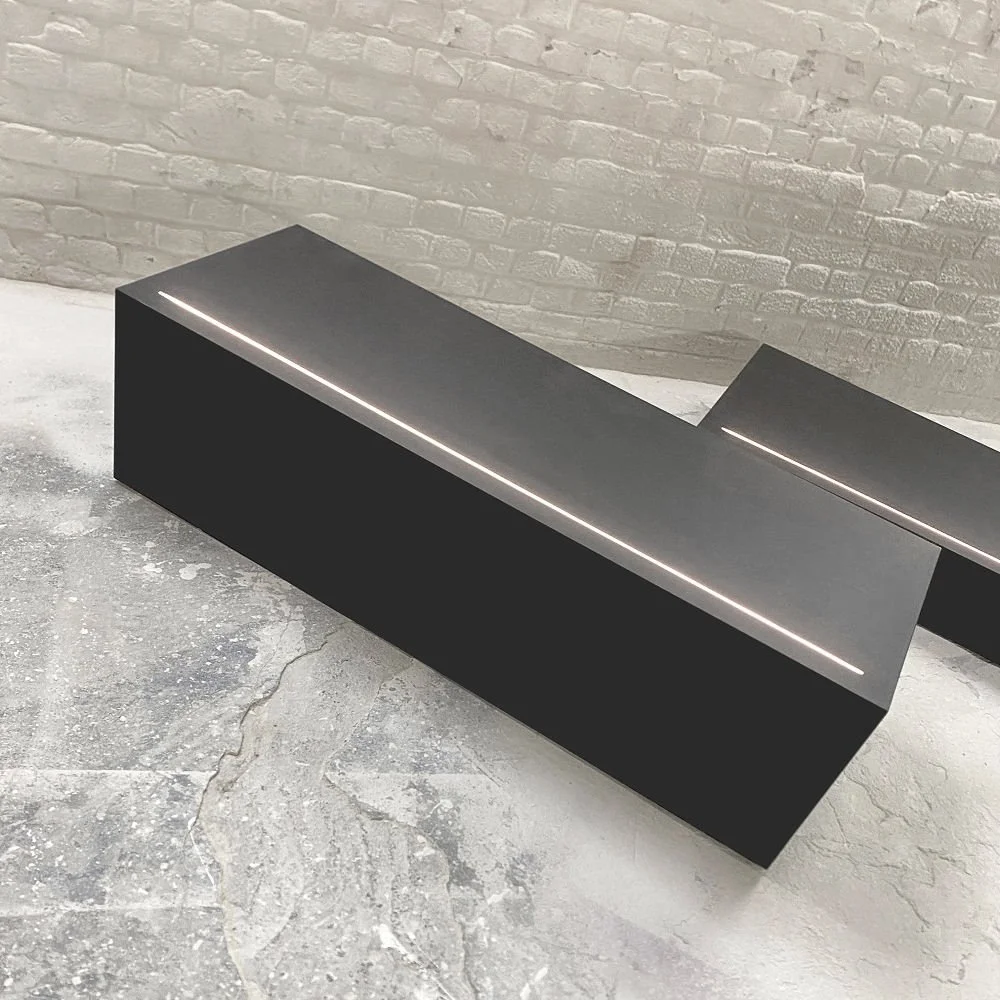
In contemporary design, product display plinths continue to evolve, reflecting the changing aesthetics and materials of the times. Designers, architects and event organisers incorporate plinths into various settings, such as exhibitions, trade shows, retail spaces, art galleries, product launch events, weddings, studios and public installations. Plinths now come in a variety of shapes, sizes and materials including wood, metal, glass, acrylic and cardboard. Some plinths even incorporate lighting and interactive elements to enhance the viewer's experience.
The history of display plinths is a testament to the enduring need to elevate and present objects of significance. From ancient times to the present day, these pedestals have adapted to the evolving needs of exhibition, trade show and retail environments, artists, museums, and designers. They have transformed from simple stone platforms to works of art themselves, amplifying the visual impact of the objects they support. As we continue to explore new forms of artistic expression, it is certain that the display plinth will remain a vital component in showcasing and celebrating human creativity for generations to come.
Get In Touch!
Call anytime between 08:00 and 23:00
(7 days a week)
01795 394227
info@just-plinths.co.uk
Alternatively, use this form to get in touch, request a quote or to ask questions about our products and services.
We aim to respond within 1 hour
